September 2, 2026 | By Anita Shah
During its Mumbai roadshow, Ajman Tourism put a clear commercial proposition on the table for India’s travel trade: sell Ajman, drive bookings and get rewarded.
Ajman is stepping up its efforts to win a larger share of India’s outbound travel market—and this time, the pitch goes beyond destination promotion.
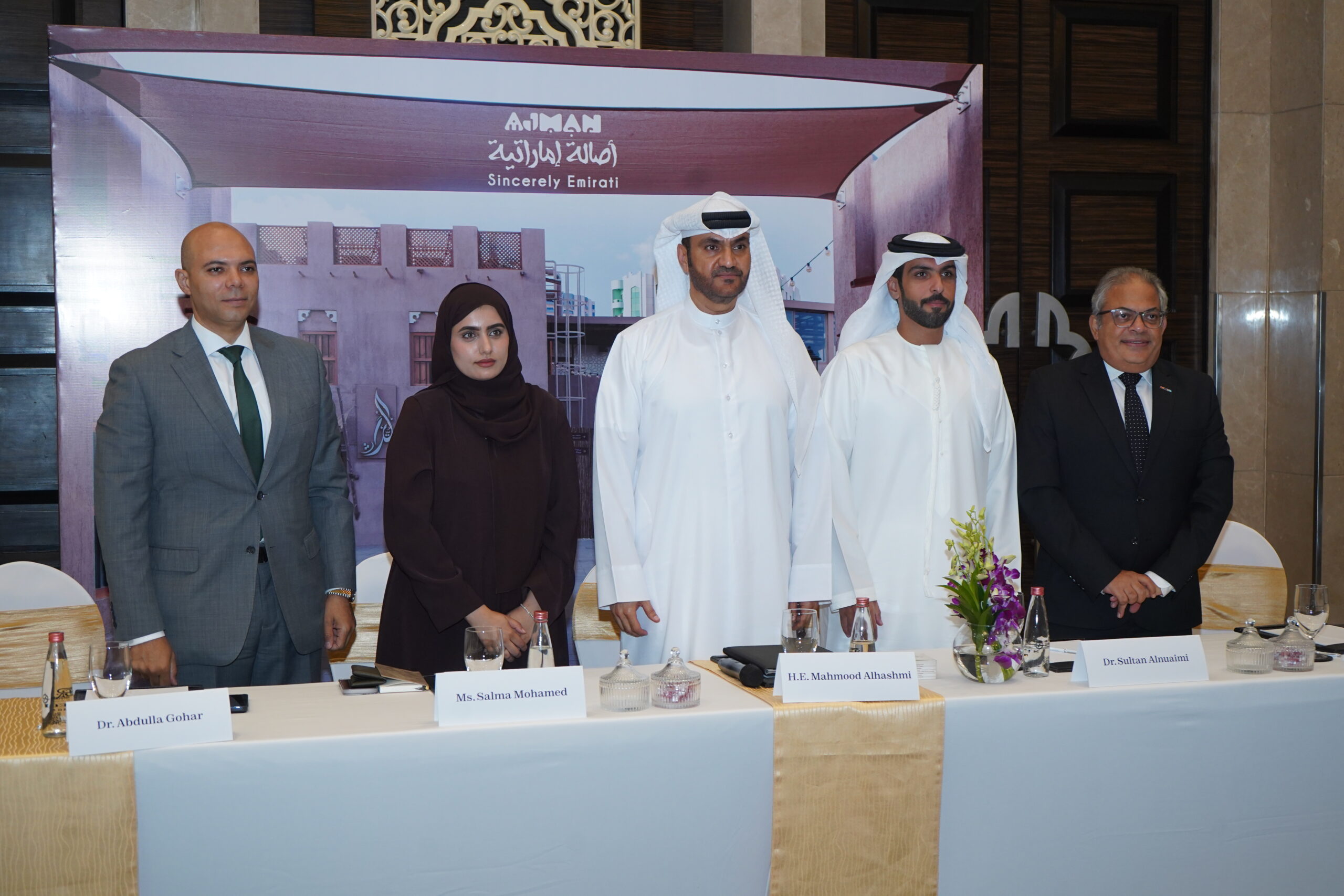
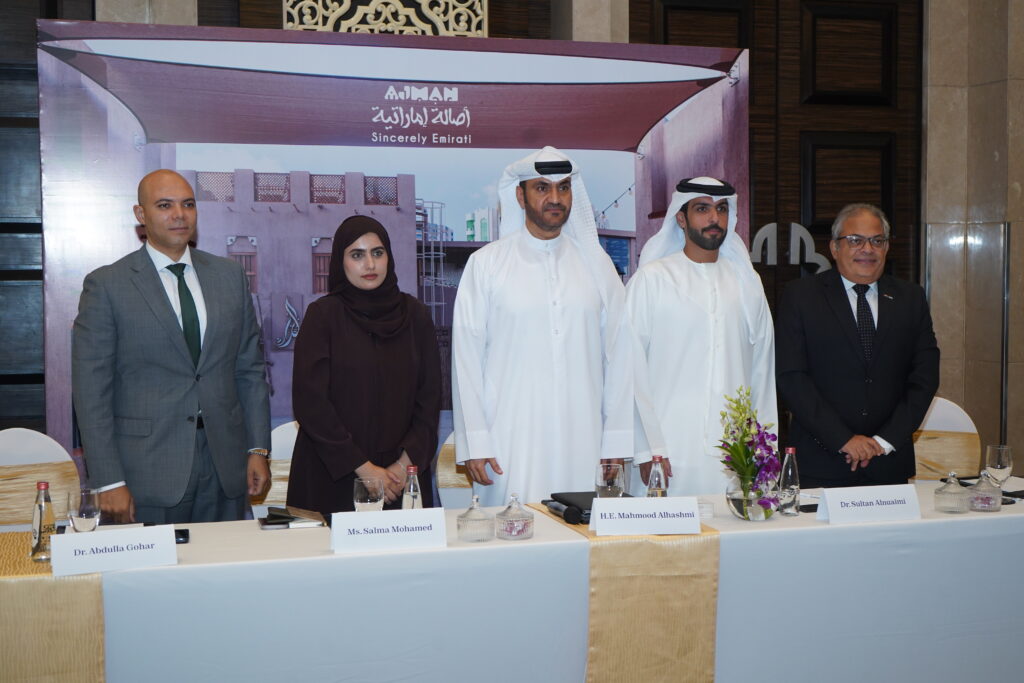
During the Mumbai leg of its India roadshow, the Ajman Department of Tourism, Culture and Media introduced the Ajman Partner Tourism Growth Incentive Programme, a performance-led initiative aimed at getting Indian travel agents and tour operators to actively include Ajman in their UAE travel itineraries.
Running from September 15 to December 1, the programme will offer eligible travel trade partners incentives linked to confirmed passenger bookings to Ajman. The objective is straightforward: turn destination awareness into sales, while giving travel sellers a commercial reason to recommend Ajman.
The announcement comes as Ajman takes its destination proposition directly to the Indian trade, with the wider roadshow covering Mumbai, Chennai and Hyderabad from August 30 to September 4. Through B2B meetings, destination presentations and networking sessions, Ajman is seeking to build stronger relationships with the agents and tour operators who influence where Indian travellers stay, what they experience and how UAE holidays are packaged.
Why India matters to Ajman
The move reflects a larger ambition. For years, the UAE conversation in India has been dominated by Dubai, with Abu Dhabi and Sharjah also firmly established in the market. Ajman, meanwhile, has had to work harder to establish its own identity. Its answer is differentiation.Rather than compete head-on with Dubai’s metropolitan appeal, Ajman is building its proposition around culture and heritage, family holidays, nature, adventure, leisure and hospitality—elements that can complement a wider UAE itinerary while offering travellers a different side of the country.
For Indian travel designers, that creates an opportunity to position Ajman as more than a day-trip add-on: a destination where travellers can spend time, experience the emirate and potentially extend their UAE stay.
India is already a significant market for Ajman
The push into India comes from a position of growing momentum, rather than a market being built from scratch. Ajman welcomed around 75,000 Indian visitors in the 2024–25 calendar year, representing 12% growth over 2023–24. India is now the emirate’s third-largest source market.
Within its Middle East markets, Oman leads, followed by Saudi Arabia, while Russia remains Ajman’s largest overall international source market. The numbers underline both the opportunity and the headroom for India.
There is also a potentially significant opportunity in the length of stay. International leisure visitors spend an average of 5.5 nights in Ajman, while the average stay across all segments—including leisure and MICE—is around three nights. For the Indian trade, that creates scope to position Ajman as more than a short stopover, particularly when packaged around experiences, family holidays and longer UAE itineraries.
The destination is also looking at the connectivity equation. With approximately 37,000 weekly airline seats operating between India and the UAE, Ajman sees a sizeable pool of potential travellers already moving through the market. The challenge—and opportunity—is to capture a greater share of that existing traffic and convert it into stays in Ajman.
That makes the current India campaign particularly relevant. Ajman is not necessarily trying to create a new India-UAE travel market; it is trying to capture more of the one that already exists.
The incentive changes the conversation
There is also a strategic reason why the new programme is worth watching. Destination roadshows typically focus on awareness—educating agents about hotels, attractions and experiences. Ajman is adding a measurable commercial layer to that engagement.
The incentive effectively asks the trade to take the next step: move from knowing Ajman to selling Ajman.
That could be particularly relevant for smaller and emerging destinations competing for space in increasingly sophisticated UAE packages. If agents see both a viable product and a commercial opportunity, the chances of the destination being actively recommended to clients increase.
Mahmood Alhashmi, Director General of the Ajman Department of Tourism, Culture and Media, said, “India is an important market in Ajman’s plans to diversify its international visitor base. The focus is on building long-term partnerships with travel agents, tour operators and destination management companies and converting growing destination awareness into actual visitation.”
Neeti Sharma, Director, Intrepid Marketing & Communications, similarly pointed to the breadth of Ajman’s tourism offering, noting that Indian travellers are increasingly looking for distinctive experiences within the UAE. The incentive programme, she said, is intended to give the trade additional momentum while strengthening Ajman’s consideration among Indian travellers.
From awareness to inclusion
The bigger question for Ajman is whether this campaign can change its position within the Indian travel trade. The emirate is not short of attractions. The challenge is getting those attractions translated into itineraries, packages and bookings. That is where the India roadshow—and particularly the new incentive—becomes significant. By taking the destination directly to travel sellers and attaching a performance-based commercial proposition, Ajman is attempting to shorten the distance between destination marketing and actual revenue.
It also aligns with the emirate’s broader Ajman Vision 2030, which seeks to strengthen its position as an accessible and competitive international destination.
For Indian travel professionals, the message from Mumbai was therefore fairly clear: Ajman does not simply want to be another name on a UAE destination presentation. It wants a place on the itinerary—and is willing to put commercial incentives behind that ambition.