August 25, 2026 | By Anita Shah
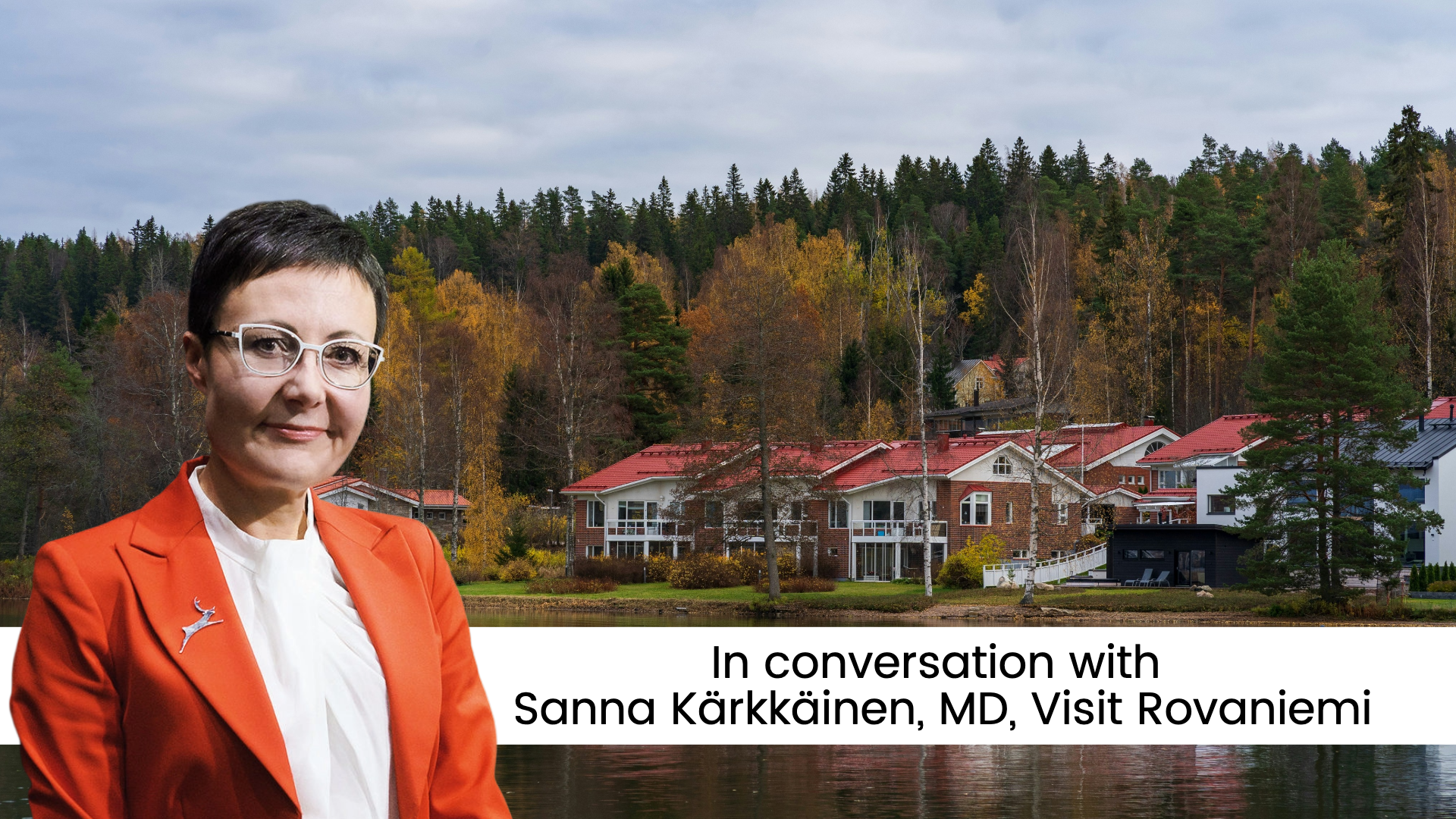
Exclusive | Sanna Kärkkäinen, MD, Visit Rovaniemi on how Indian travel is evolving from packed itineraries to slower, more meaningful Lapland experiences
For Indian travellers, Rovaniemi has long been synonymous with one thing: winter.
Santa Claus Village, snow-covered landscapes, husky rides, reindeer encounters, snowmobiles and, of course, the Northern Lights have made the Arctic city one of the most aspirational destinations on the Indian traveller’s Lapland itinerary.
But that perception is beginning to change.
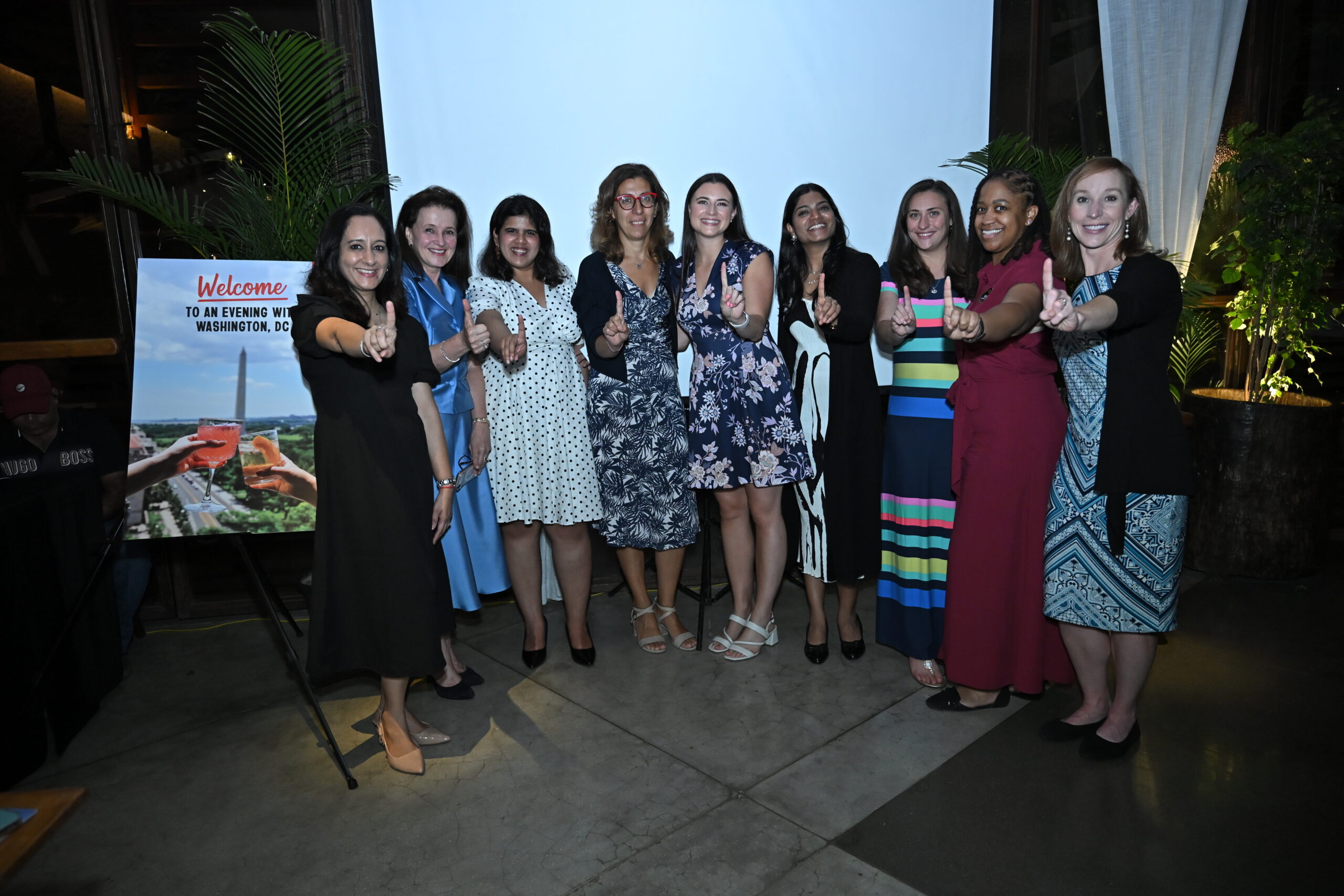
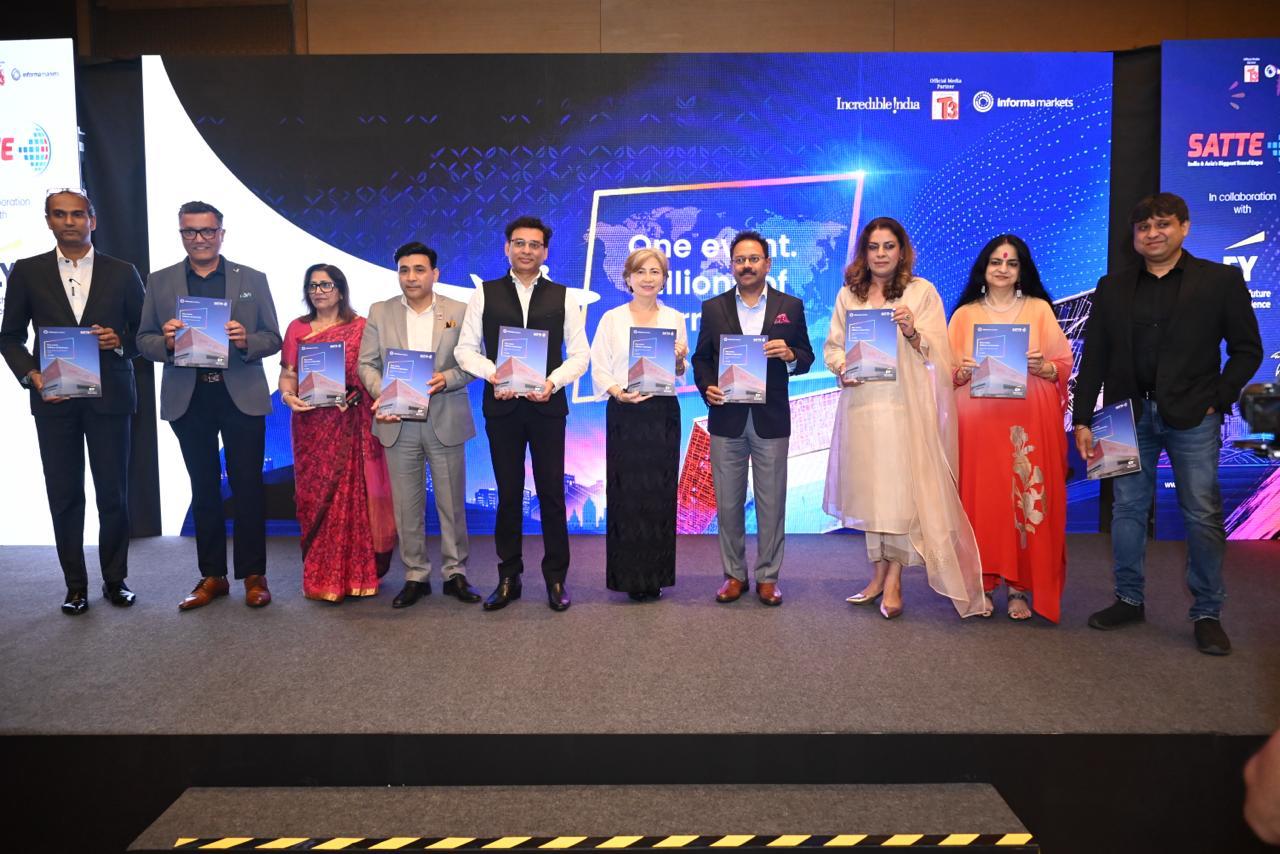
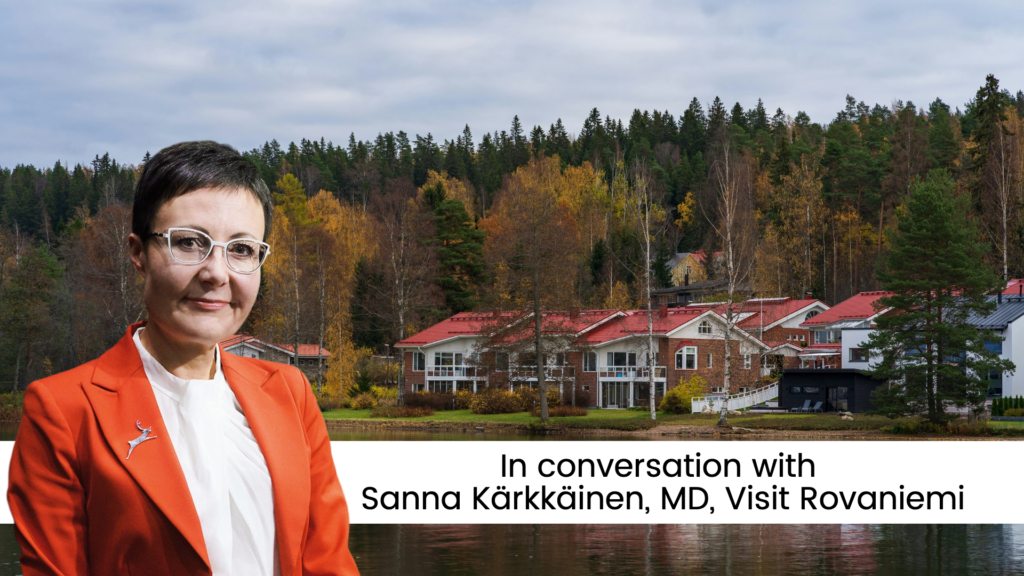
At the annual Finland–India Tourism Workshop 2026, which was held in Mumbai, moved to Ahmedabad before concluding in New Delhi, Sanna Kärkkäinen, Managing Director, Visit Rovaniemi, shared an interesting shift that she has been witnessing in conversations with Indian travel professionals.
Increasingly, Indian travel experts are no longer asking only, “What can we do in Rovaniemi in winter?” They are asking: “What can we do there in summer? What about autumn? What are the wellness experiences? Can we stay longer?” And for Rovaniemi, that change could be significant.
For more than a decade, the destination has been actively engaging with the Indian travel trade. Kärkkäinen says Visit Rovaniemi has been coming to India and meeting travel partners since 2010, giving the destination a ringside view of how the Indian market has evolved.
In an exclusive conversation with The Digital Travellers, she explains why Rovaniemi is now looking beyond the traditional Christmas-and-Northern-Lights narrative and why nature, wellness, culture, authenticity and slower travel could define its next phase in India.
Q. Rovaniemi has traditionally been associated with Santa Claus, snow and the Northern Lights. What is changing in the way Indian travellers perceive the destination?
Sanna Kärkkäinen: Of course, Santa Claus Village, the Northern Lights and the winter activities remain very important. They are still some of the biggest reasons why Indians want to come to Rovaniemi. But what we have noticed particularly during the last two years is that Indian travel professionals are becoming much more curious about the other seasons.
Earlier, most of the conversations were very much focused on winter. Now we are getting questions such as, “What can we do in summer?” or “What can we experience in autumn?” That is a very interesting change for us. Rovaniemi is not only a winter destination. It is a combination of nature, culture and luxury experiences, and there are many meaningful experiences that can be enjoyed throughout the year.
Q. So what should Indian travellers discover in Rovaniemi beyond winter?
Sanna Kärkkäinen: Summer is very different and very beautiful. One of the most unique experiences is the Midnight Sun. Around early June to early July, Rovaniemi experiences a period when the sun does not set, creating almost 24 hours of daylight. Even beyond that period, the summer nights remain bright for much longer than travellers from India are accustomed to.
You can enjoy nature, hiking, cycling, river experiences, canoeing, kayaking, boating and even meet reindeer and huskies during summer. But I think one of the most interesting areas for Indian travellers is sauna and wellbeing.
Sauna is such an important part of Finnish life. It is not simply a spa treatment; it is part of our culture and our way of relaxing and spending time together.
Q. Sauna and wellness are becoming major travel trends globally. How does Rovaniemi fit into that trend?
Sanna Kärkkäinen: Very naturally.
Finnish people are often recognised as some of the happiest people in the world, and wellbeing is a very important part of our lifestyle. In Rovaniemi, you can combine sauna with nature. You can have a lakeside or riverside sauna, swim in natural waters, take a sauna boat or simply spend time in the forest. There are also experiences combining sauna with local food, nature and the Midnight Sun.
The idea is not necessarily to do ten activities in one day. It is about being there, slowing down and enjoying the surroundings. That is something I think Indian travellers are increasingly looking for. Rovaniemi currently offers a wide range of sauna experiences, including traditional wood-heated saunas, floating saunas, lakeside saunas, sauna boats and private wellness experiences.
Q. That brings us to the larger trend of slow travel. Do you see a change in the Indian market in terms of booking preferences?
Sanna Kärkkäinen:
Definitely. Traditionally, India has been a market where travellers wanted to see and do as much as possible. The itinerary could be very packed. But now we are seeing a change.
Travel is becoming slower and nicer. People want experiences. They want to understand the destination. They want to spend time in nature. They want meaningful experiences rather than simply checking activities off a list. This is very positive for Rovaniemi because our destination is perfectly suited to this kind of travel. You can have nature, culture, local food, wellbeing and luxury in the same destination, but you don’t have to rush from one experience to another.
Q. What makes the Indian market particularly important for Rovaniemi?
Sanna Kärkkäinen: Indian travellers are very interesting for us because they are willing to spend, but at the same time they value service, authenticity and connections with local people. It is not only about luxury.
Indian travellers want good service, but they also want to feel that the experience is genuine. They want to meet people, understand the culture and take home memories rather than just photographs. That combination works very well for Rovaniemi. We have the infrastructure for luxury travel, but we also have very authentic experiences.
You can stay in a beautiful property, but at the same time go into the forest, meet a local family, experience Finnish sauna culture or enjoy local food around a fire. That is the combination we want to communicate to India.
Q. Has this changing travel behaviour also affected length of stay?
Sanna Kärkkäinen: Yes. Previously, the average stay for Indian visitors could be around two nights. But as we have developed new resorts, accommodation options and experiences, we are seeing opportunities for travellers to stay longer.
We would like to see the stay gradually moving towards five nights. And I think the development of the destination supports that. If you come only for Santa Claus Village and a few winter activities, you may have a very short stay. But if you start looking at Rovaniemi as a destination where you can combine nature, wellbeing, culture, food, luxury accommodation and local experiences, there is much more reason to stay.
Q. What would you recommend for a five-night summer itinerary for an Indian traveller?
Sanna Kärkkäinen: I would definitely not make it an itinerary where every hour is filled. I would leave space.
You could experience the Midnight Sun, spend time on the river, go hiking or cycling, visit a reindeer or husky farm, explore local culture and enjoy Finnish food. And I would definitely include a sauna experience. You could also combine nature with wellbeing—perhaps a forest experience, yoga or mindfulness, followed by sauna and time by the water.
The important thing is to create a balance. It is about having experiences, but also having time to enjoy them.
Q. How important is accessibility when you are trying to move Indian travellers towards longer stays?
Sanna Kärkkäinen: Accessibility is extremely important.
Rovaniemi has been developing its connectivity significantly. There are direct connections from a wide range of European cities, while Helsinki provides year-round connections to Rovaniemi. For the Indian market, connectivity through major European and Middle Eastern hubs is important because it makes the destination easier to combine with a larger European holiday. The fact that there are many direct European connections during the winter season also gives travel designers more flexibility when creating itineraries.
Q. Where do you see Rovaniemi’s opportunity in India over the next few years?
Sanna Kärkkäinen: I think the opportunity is to show that Rovaniemi is much more than just being a ‘Santa Village’. We want Indian travellers to come in different seasons. We want them to experience our nature, our culture and our way of life. And we want them to stay longer.
The Indian market is evolving. Travellers are becoming more experienced and they are looking for something beyond the standard sightseeing itinerary. For Rovaniemi, that means there is an opportunity to move from being a destination people visit for a couple of nights for a specific winter experience to becoming a destination where they spend several days and really connect with Lapland.
The Bigger Opportunity: Selling Rovaniemi as a Lifestyle, Not Just a Season
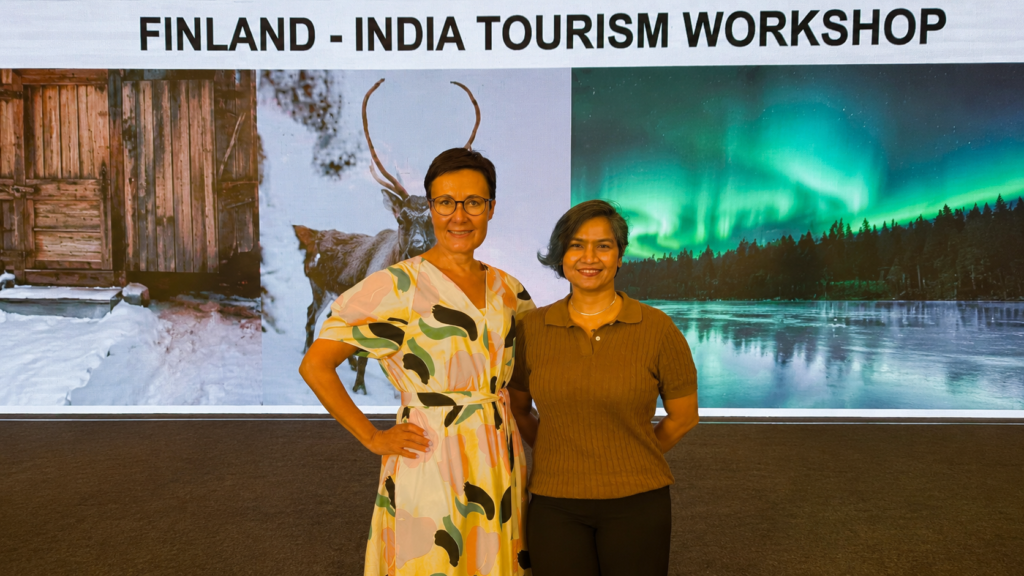
Kärkkäinen’s comments point to a larger shift in the India–Lapland relationship. For years, Rovaniemi was almost sold as a single-season dream: snow, Santa Claus, huskies and Northern Lights. That product remains powerful. But the next opportunity may lie in selling the destination differently.
Not as a checklist. As a feeling.
The Indian traveller who once wanted to fit five activities into a day is increasingly willing to spend an afternoon by a river, take a sauna, eat local food, walk through a forest or simply sit beneath the Midnight Sun. That is precisely where Rovaniemi’s proposition becomes compelling.
It combines Arctic nature with comfort, Finnish culture with luxury, and adventure with wellbeing. And perhaps most importantly, it gives travel designers something new to sell to Indians who have already “done” the traditional Lapland winter. The message from Rovaniemi is therefore becoming increasingly clear:
“Don’t just take Indian travellers to Lapland for winter. Give them a reason to stay, slow down and experience it in every season,” said Kärkkäinen.