March 19, 2026 | By Anita Shah
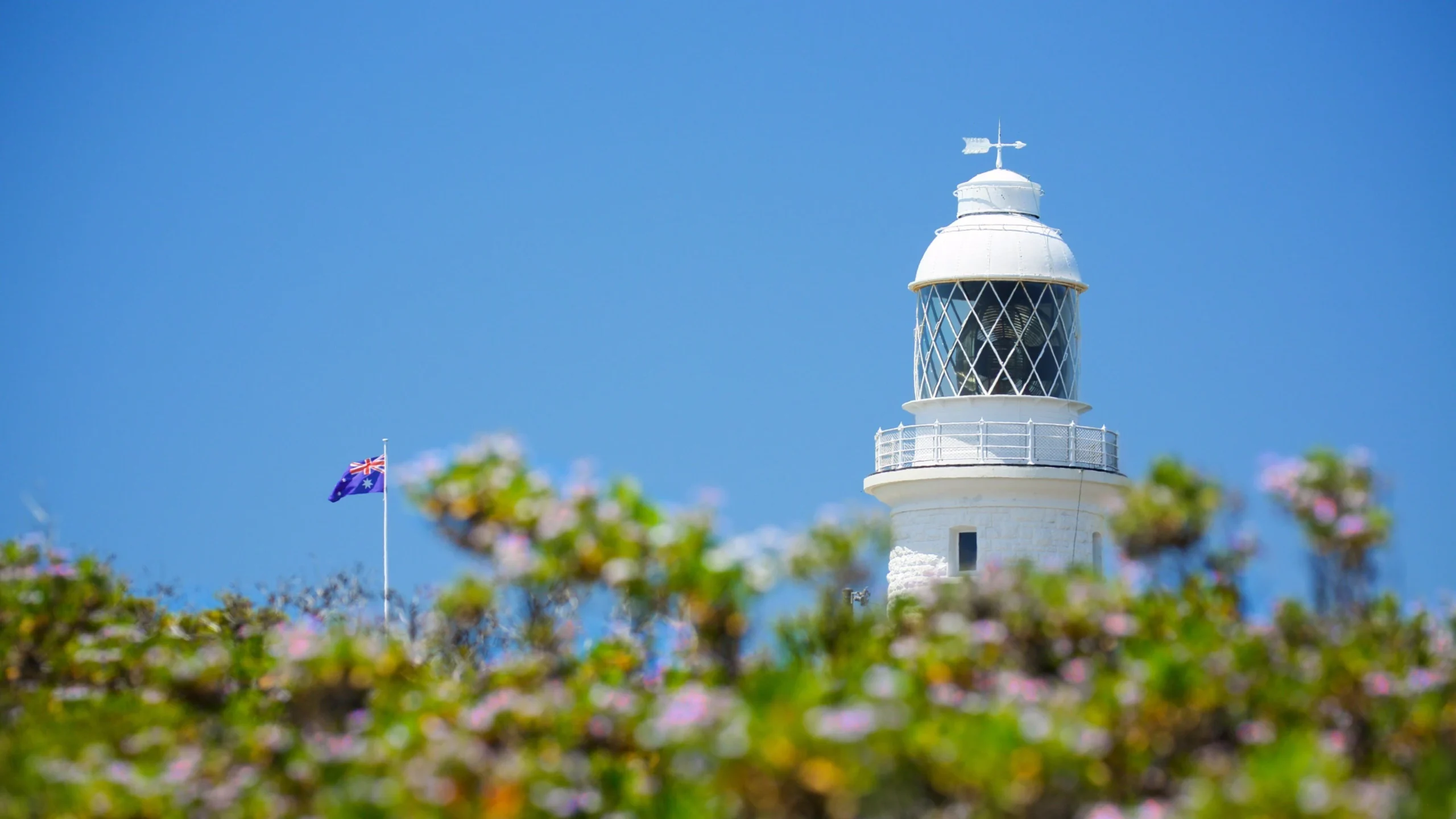
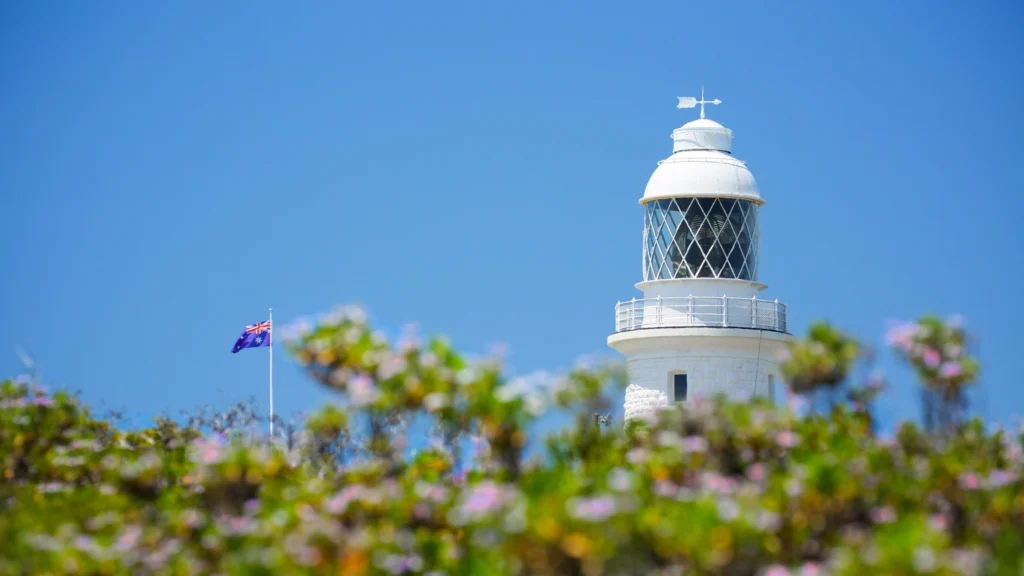
Perched dramatically along the rugged coastline of Cape Naturaliste, the Cape Naturaliste Lighthouse offers far more than just panoramic ocean views—it delivers a compact, story-rich experience that fits seamlessly into a well-paced itinerary. For Indian travel designers curating journeys through Western Australia, especially around Busselton and the Margaret River region, this site is an easy win: accessible, engaging, and ideal for multi-generational travellers.
A Morning Well Spent: Easy Access, High Impact
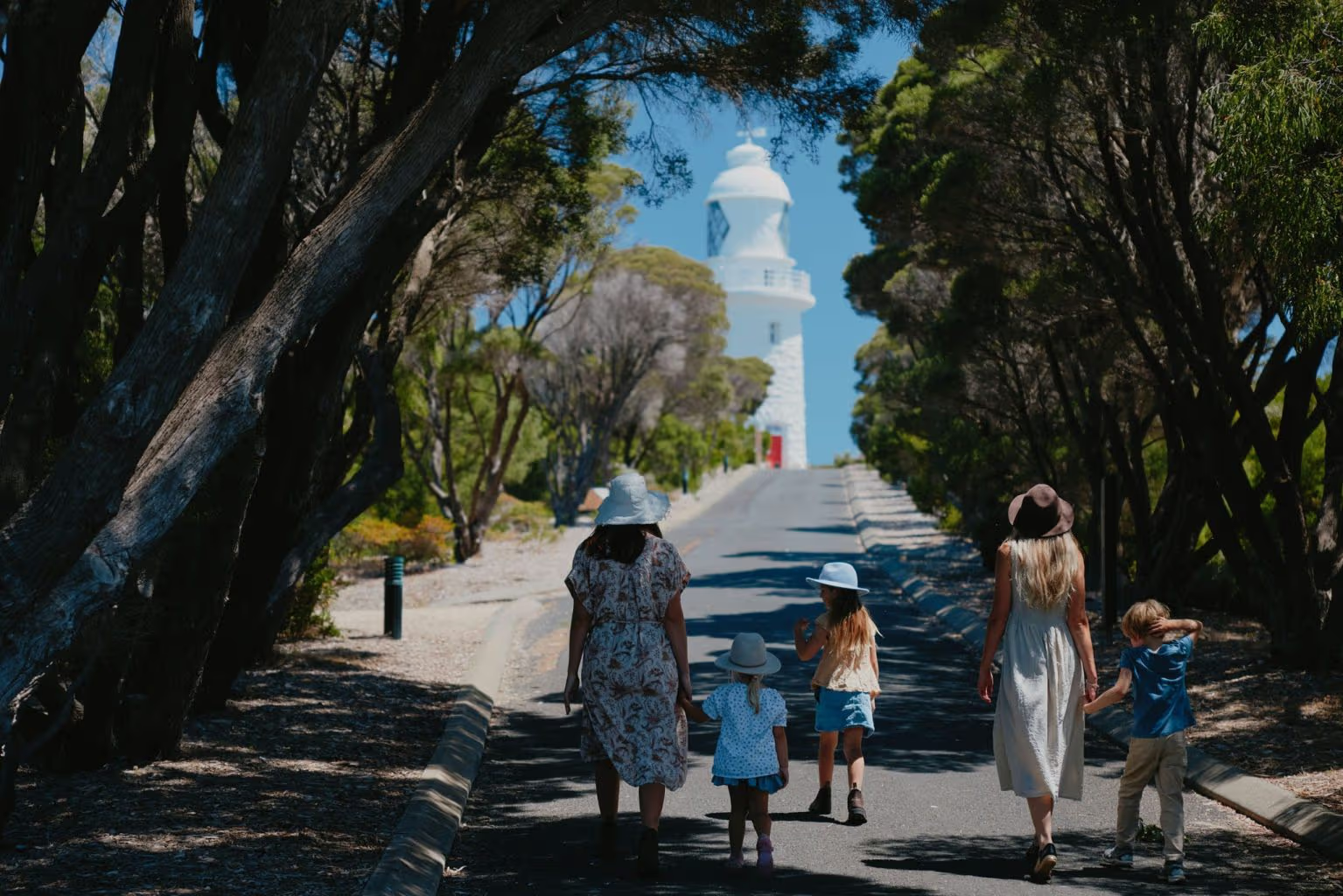
Our visit began with a short drive from Busselton, taking roughly 20–25 minutes along scenic coastal roads. For Indian FITs and small groups, this proximity is a major advantage—it allows the lighthouse to be slotted into a half-day plan without logistical strain. Morning is arguably the best time to visit. The light is softer, the winds are calmer, and the viewing conditions across the Indian Ocean are spectacular.
From the parking area, it’s a gentle walk up to the lighthouse precinct. Unlike more strenuous heritage sites, the terrain here is manageable, making it suitable for families with children and even older travellers. The entire experience—from arrival to completion of the guided tour—can comfortably be wrapped up within an hour, which is a key consideration for itinerary planning.
A Lighthouse with a Story to Tell
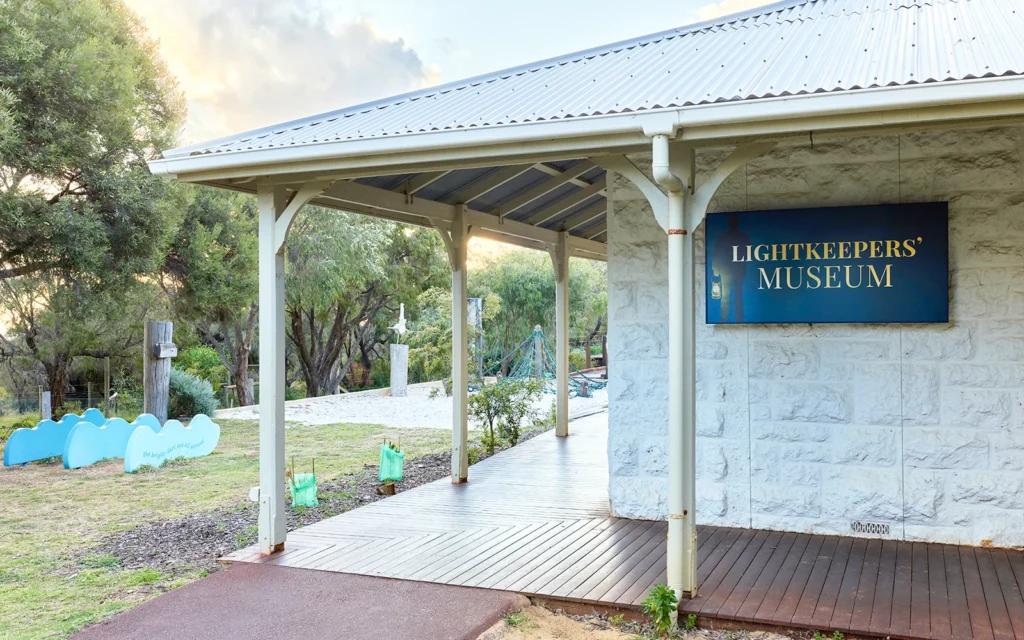
Built in 1903, the Cape Naturaliste Lighthouse is one of the most accessible lighthouses in Australia and stands at just 20 metres tall. While it may not be the tallest, what it lacks in height, it makes up for in historical depth and location.
The lighthouse was constructed to guide ships navigating the treacherous waters between Cape Naturaliste and Cape Leeuwin, where the Indian and Southern Oceans converge. This stretch of coastline was notorious for shipwrecks in the late 19th and early 20th centuries, making the lighthouse a critical maritime safety installation.
What stands out during the guided tour is how well the storytelling is delivered. Visitors are not just climbing a structure—they’re stepping into the lives of lighthouse keepers who once lived in isolation, maintaining the light through harsh weather conditions. The original kerosene lamp has since been replaced, but the lens system and structural integrity remain a testament to early 20th-century engineering.
For Indian travellers, particularly families and school-going children, this narrative adds an educational layer to the visit. It’s history presented in a tangible, easy-to-digest format—something that works well for clients looking to balance leisure with learning.
The History Comes Alive: A 15-Minute Film Experience
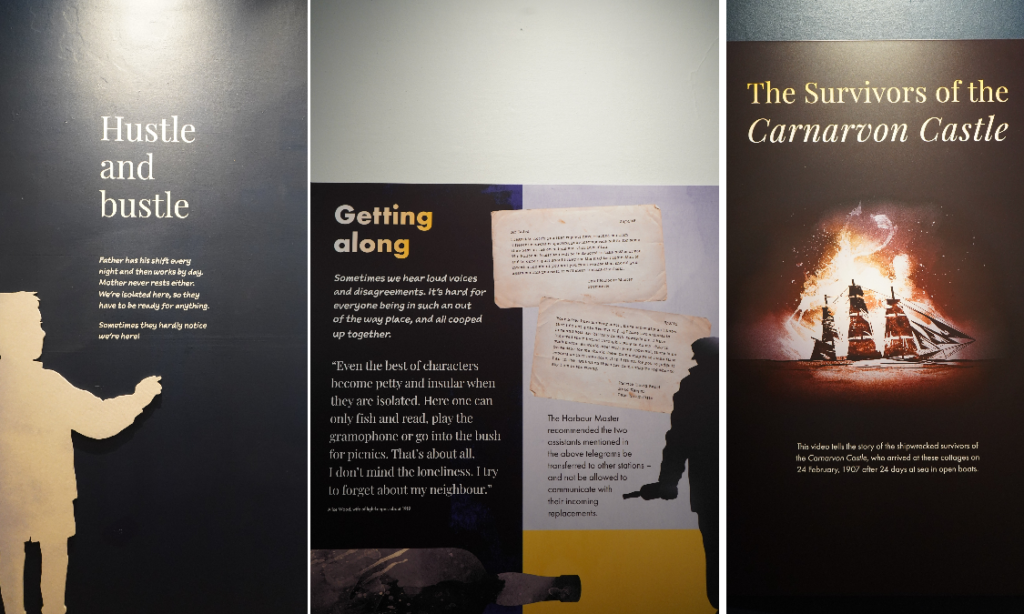
Before the climb, one of the most impactful yet often overlooked elements of the visit is the short film screening housed within the visitor centre. This 15-minute presentation sets the context beautifully, tracing the origins of the lighthouse, the maritime challenges of the region, and the lives of the keepers who once called this remote outpost home.
For travel designers, this is a valuable inclusion. It ensures that even clients who may not be inclined towards detailed guided narratives still walk away with a strong understanding of the site’s significance. The visual format makes it particularly engaging for children and younger travellers, while also helping international visitors—like Indian guests—connect more deeply with the destination.
In just a quarter of an hour, the film adds depth, emotion, and historical perspective, enhancing the overall experience without extending the itinerary.
The Climb: Short, Safe, and Rewarding
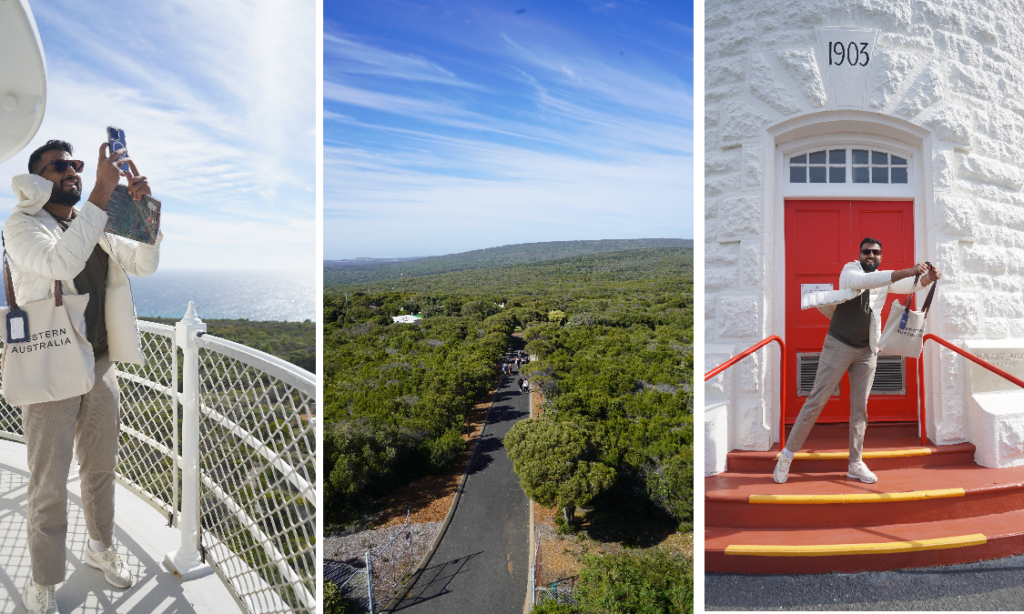
One of the biggest advantages of Cape Naturaliste Lighthouse is the ease of its climb. Unlike many lighthouses that involve steep, narrow staircases, this one features just 59 steps. The ascent is gradual, and guided tours are conducted in small groups, ensuring safety and comfort.
At the top, the reward is immediate. Sweeping views of the Indian Ocean, the surrounding coastline, and, during migration season, the chance to spot whales in the distance. The vantage point also provides a clear understanding of why this location was strategically chosen.
For travel designers, this is a strong selling point. It delivers the “wow” factor without demanding too much time or physical effort—ideal for mixed-age groups.
Why It Works for Indian Itineraries
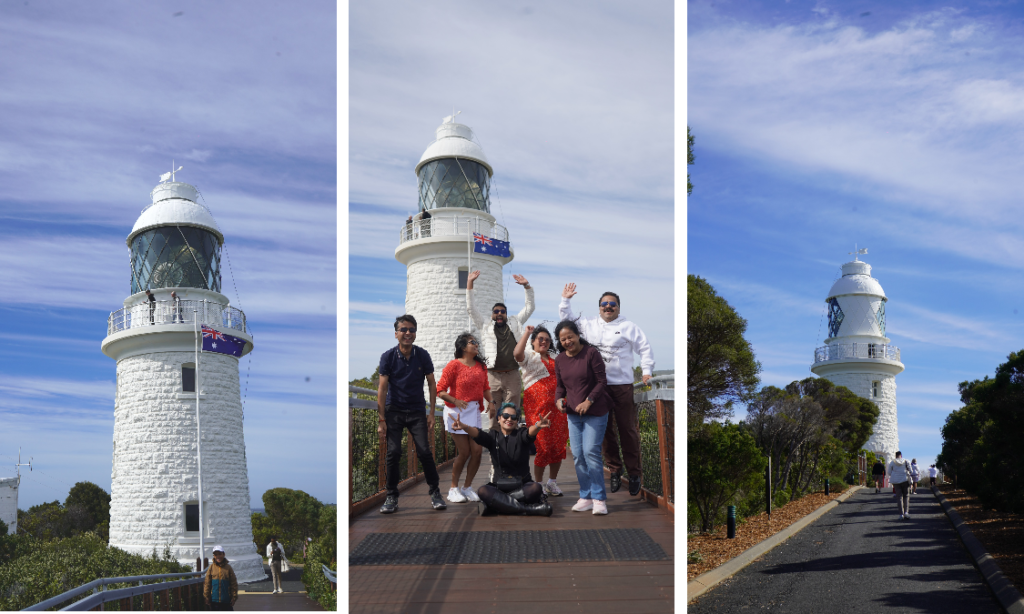
From a product design perspective, Cape Naturaliste Lighthouse ticks multiple boxes:
- Time-efficient: The entire visit takes under an hour, making it easy to combine with other experiences such as chocolate tasting or winery visits in the Margaret River region.
- Family-friendly: Safe pathways, short climb, and engaging storytelling make it suitable for children and seniors alike.
- Educational value: Adds a heritage and learning component to an otherwise leisure-heavy itinerary.
- Photogenic appeal: Clean lines, coastal backdrops, and elevated views make it ideal for content-driven travellers.
In our case, the lighthouse visit blended seamlessly into a larger day plan that included stops at The Margaret River Chocolate Company and Leeuwin Estate, followed by a cave exploration at Ngilgi Cave. This kind of sequencing works particularly well for Indian clients who prefer variety within a single day.
Seasonality and Practical Tips
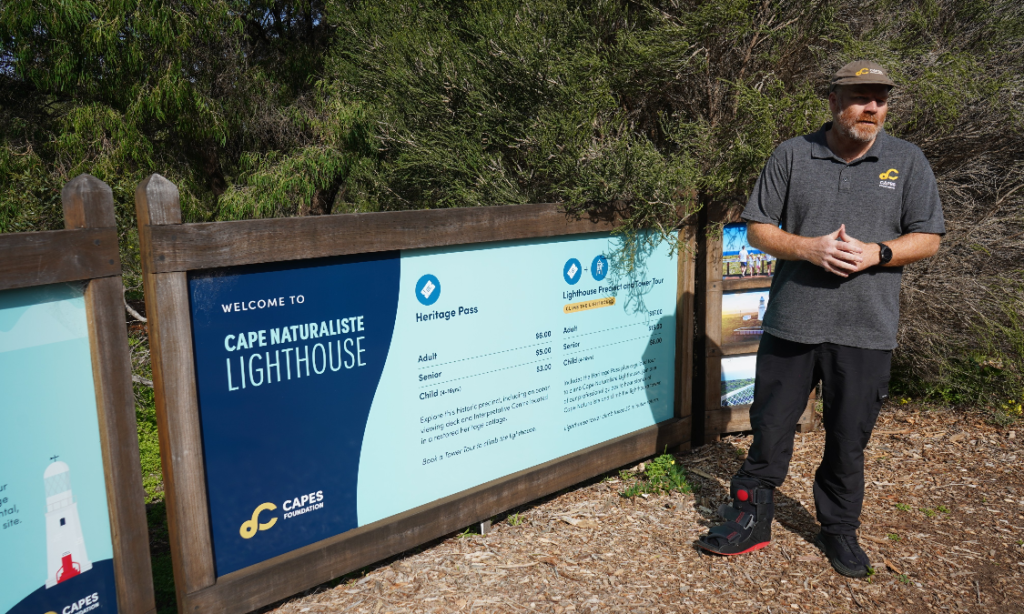
The lighthouse operates year-round, but conditions can vary. Summer months offer clear skies and excellent visibility, while winter brings dramatic seascapes and the added bonus of whale watching.
Guided tours run at regular intervals, and it’s advisable to pre-book during peak travel seasons. The site also features a visitor centre and a small café, allowing for short breaks before or after the tour.
For Indian agents packaging Western Australia, pairing the lighthouse with nearby coastal walks or lookout points can enhance the overall experience without significantly increasing time commitments.
A Compact Highlight with Strong Recall Value
In a destination like Western Australia, where distances can be vast and experiences often spread out, Cape Naturaliste Lighthouse stands out for its efficiency. It delivers a complete experience—history, views, storytelling—within a tight timeframe.
From a first-hand perspective, what made the visit particularly memorable was its simplicity. No long queues, no overwhelming crowds, just a well-curated, guided experience set against one of Australia’s most striking coastal backdrops.
For Indian travel designers, this is exactly the kind of product that adds depth to an itinerary without complicating it. It’s a reminder that not every highlight needs to be large-scale or time-intensive. Sometimes, the most effective inclusions are those that are easy to execute but leave a lasting impression.
Incorporating Cape Naturaliste Lighthouse into a Margaret River or Busselton itinerary is not just about ticking a sightseeing box—it’s about offering clients a well-rounded, engaging, and accessible experience that resonates across age groups.