By Anita Shah | June 9, 2026
As Indian outbound travel evolves from purely price-driven decisions to experience-led journeys, airlines are being pushed to rethink how they engage with one of the world’s fastest-growing travel markets. For Malaysia Airlines, India is no longer just a high-volume source market — it is a strategic pillar shaping the airline’s premium ambitions, regional connectivity strategy, and long-haul growth plans.
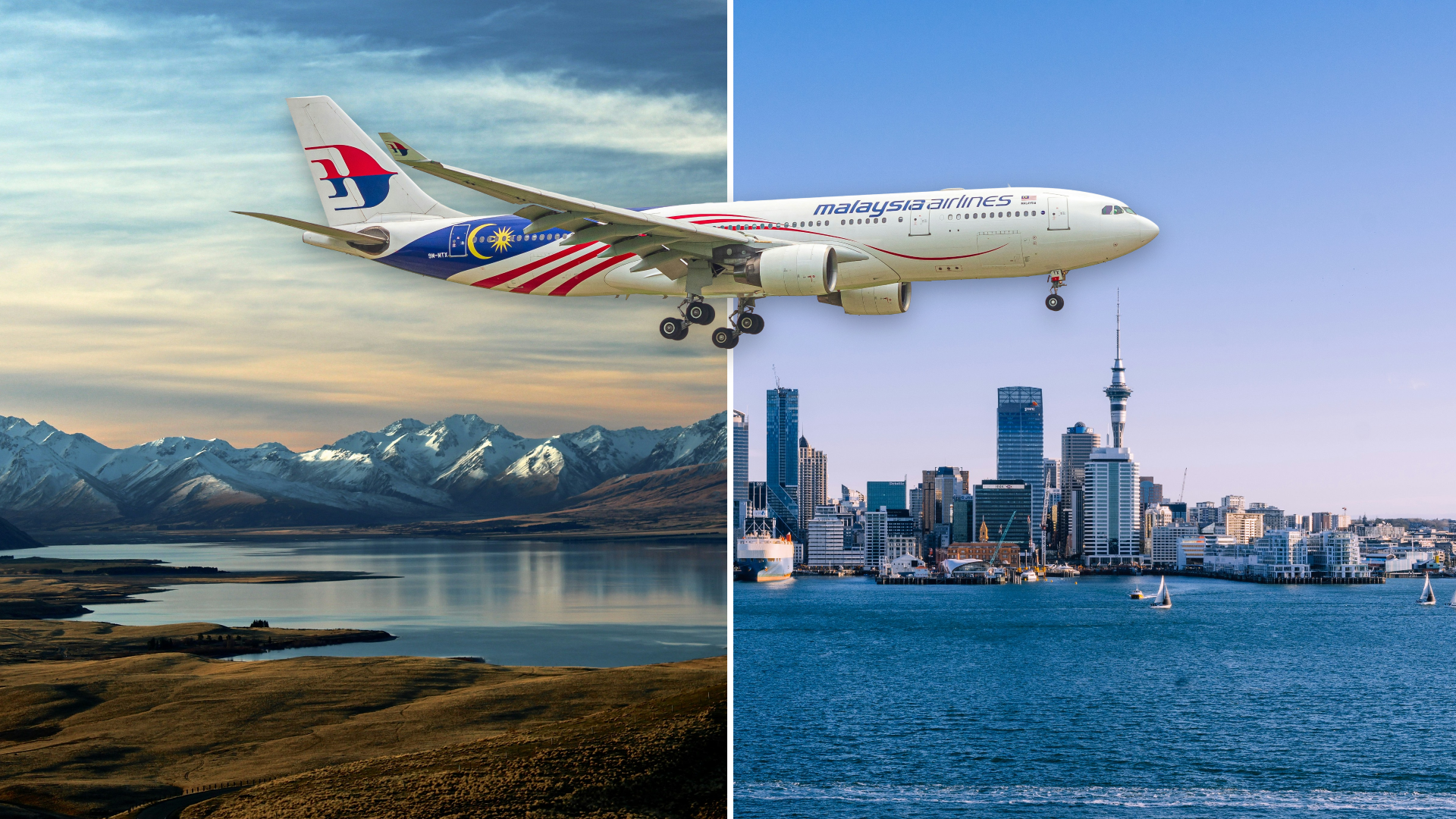
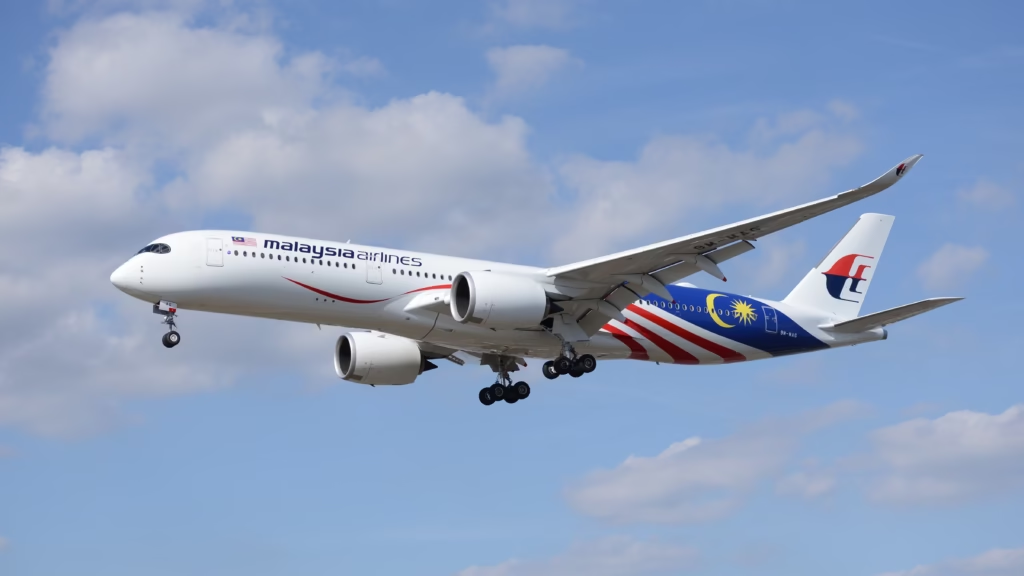
With more than 80 weekly flights from India and load factors nearing 90%, the airline is seeing strong demand not only from metro cities but also from emerging tier-2 markets. At the same time, Kuala Lumpur is increasingly positioning itself as a preferred transit hub for Indian travellers heading to Australia, New Zealand, and Southeast Asia.
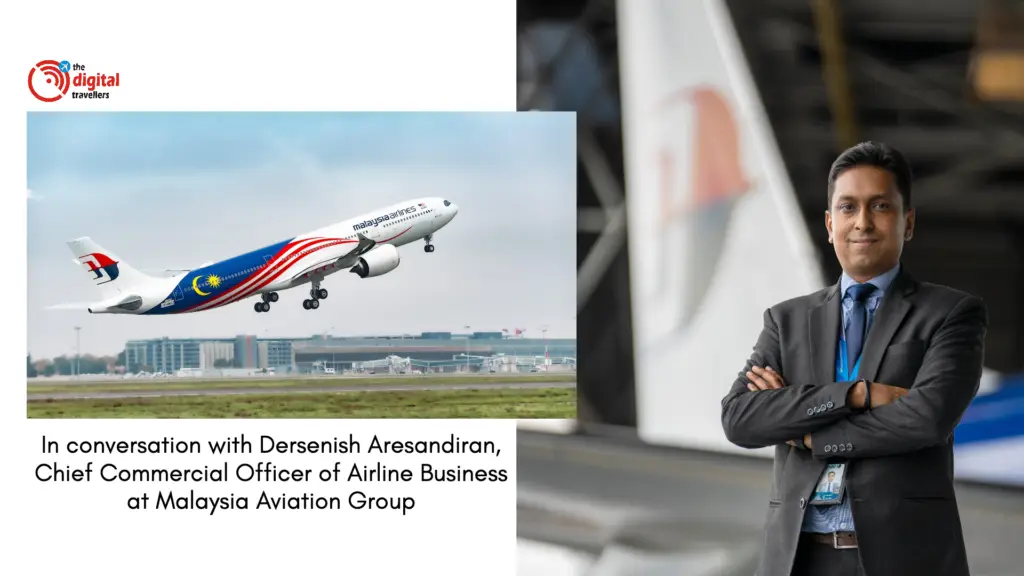
In this exclusive interaction with The Digital Travellers, Dersenish Aresandiran, Chief Commercial Officer of Airline Business at Malaysia Aviation Group (MAG), speaks about India’s growing importance, the rise of premium Indian travellers, MHcorporate’s evolving role, and why “Malaysian Hospitality” is becoming a defining differentiator in an increasingly competitive aviation landscape.
Q. Malaysia Airlines has now crossed 80 weekly flights from India with load factors reportedly touching almost 90%. Which Indian routes are currently performing the strongest for the airline, and are you seeing more demand from point-to-point traffic or transit passengers beyond Kuala Lumpur?
A. India remains one of our strongest performing markets, with metro gateways such as Delhi, Mumbai, Bengaluru, and Hyderabad consistently delivering healthy demand across both leisure and corporate segments. At the same time, we are seeing encouraging momentum from newer and emerging markets such as Amritsar, Ahmedabad and Trivandrum, reflecting the growing depth of outbound travel demand beyond the traditional metro cities.
What is particularly notable is that demand today is being driven by a balanced mix of point-to-point traffic into Malaysia as well as strong onward connectivity through Kuala Lumpur to destinations across Southeast Asia, Australia and New Zealand. Kuala Lumpur continues to perform strongly as a convenient transit hub for Indian travellers seeking seamless one-stop connectivity, premium service and a full-service travel experience grounded in Malaysian Hospitality.
Q. The airline has spoken about ambitions to enter the Skytrax Top 10 by 2030. In an era where travellers compare airlines instantly on social media, what does “premium Asian hospitality” mean for Malaysia Airlines in 2026?
A. Today’s premium travellers are seeking truly immersive experiences. Beyond comfort, they expect consistency, personalisation and a service that feels genuinely authentic across every touchpoint. For Malaysia Airlines, our Malaysian Hospitality is about blending the warmth and attentiveness of Malaysian culture with the seamlessness, reliability and standards expected of a modern premium airline.
We bring this to life through thoughtfully curated inflight dining offerings, refined service touches such as onboard ambience and music, premium lounge experiences, seamless connectivity via Kuala Lumpur, and flexible offerings such as Flex Fares, all supported by more personalised engagement powered by digital and AI-led insights.
At the same time, investments in fleet modernisation, inflight entertainment and customer experience enhancements continue to play an important role as we work towards our long-term ambition of becoming one of the world’s leading premium airlines. Ultimately, our objective is to deliver an experience that feels distinctly Malaysian, emotionally resonant and consistently trusted in an environment where traveller perceptions are shaped instantly and globally.
Q. Malaysia Airlines has called India its top revenue-generating market, with plans to increase frequencies and deepen partnerships with carriers like IndiGo. How is the airline looking at India beyond just traffic numbers — especially in terms of premium travellers, tier-2 cities, and long-haul connectivity?
A. India is an important market for Malaysia Airlines, not only in terms of scale, but also because of the diversity and long-term growth potential across traveller segments. Alongside strong demand from major metro cities, we are seeing increasing momentum from tier-2 cities, where outbound international travel is growing rapidly. This presents opportunities to further expand connectivity and strengthen regional access through strategic partnerships such as our collaboration with IndiGo.
At the same time, India is emerging as a significant premium travel market, with a growing segment of travellers prioritising comfort, flexibility and the overall journey experience, rather than fare alone. This aligns well with our positioning as a full-service premium carrier offering seamless connectivity through Kuala Lumpur to destinations across Southeast Asia, Australia and New Zealand.
Our differentiated product offering, including MHstudio entertainment, curated dining offerings, and flexible options such as Flex Fares also helps reinforce our relevance in India by combining strong connectivity with personalised, experience-led and culturally resonant travel propositions.
Q. At a time when global airlines are benefiting from shifting travel patterns and disruptions in the region, how is Malaysia Airlines positioning Kuala Lumpur as a stronger transit hub for Indian travellers flying to Australia, New Zealand, and beyond?
A. Indian travellers today are increasingly seeking seamless, efficient and value-driven travel experiences, particularly for long-haul travel to Australia, New Zealand and the wider Asia-Pacific region. Kuala Lumpur is well positioned in this regard because of its geographic advantage, shorter transit times and well-integrated hub connectivity.
For Malaysia Airlines, the focus has been on further strengthening this proposition through increased frequencies from India, improved connectivity windows and a premium full-service experience grounded in Malaysian Hospitality. We are also seeing strong interest in our Bonus Side Trip (BST) offering, which allows international travellers to explore an additional Malaysian domestic destination at no extra airfare, further enhancing the appeal of Kuala Lumpur as a transit hub.
Beyond operational efficiency, travellers today are also seeking greater comfort, flexibility and a more rewarding overall journey experience, which is where our broader service offerings continue to play an important role. Ultimately, our objective is to position Kuala Lumpur not just as a transit point, but as a seamless and enriching gateway connecting Indian travellers to Asia and beyond.
Q. Malaysia Airlines has been strengthening its corporate travel proposition through MHcorporate, especially for SMEs and business travellers. How is the programme evolving in India, and what kind of response are you seeing from Indian corporates looking for more flexible and value-driven travel solutions?
A. We are seeing strong momentum in corporate travel demand from India, particularly as businesses continue to expand across regional and international markets. Through MHcorporate, Malaysia Airlines has been evolving its proposition to better serve both large enterprises and growing SME travellers by offering a more streamlined and personalised corporate travel experience.
This includes preferential fares, enhanced flexibility, dedicated support, Enrich loyalty benefits and access to the MHcorporate SME dashboard, which enables companies to manage bookings, track travel activity and streamline corporate travel management more efficiently across multiple travellers and locations.
In India, there is also growing demand from corporates for reliable regional and long-haul connectivity into Southeast Asia, Australia and New Zealand, alongside a premium full-service experience that prioritises comfort, efficiency and consistency. As corporate travel needs continue to evolve, our focus remains on delivering more relevant, value-driven and flexible solutions, while continuing to provide the warmth of Malaysian Hospitality across every stage of the corporate travel journey.
Q. With business travel from India continuing to rebound, how is Malaysia Airlines using MHcorporate to differentiate itself in an increasingly competitive aviation market — particularly when it comes to benefits like seamless connectivity, premium experiences, loyalty integration, and support for companies operating across multiple Indian cities?
A. As business travel continues to recover and evolve in the current geopolitical environment, corporate travellers are looking beyond fares and schedules, prioritising flexibility, efficiency, and a more integrated travel experience. Through MHcorporate, Malaysia Airlines is responding to these needs by combining strong regional and long-haul connectivity via Kuala Lumpur with tailored corporate solutions designed for different business requirements underpinned by our Malaysian Hospitality.
For companies operating across multiple Indian cities, our expanding India network and strategic partnerships provide greater accessibility and smoother end-to-end connectivity. This is complemented by a full-service premium offering, including Golden Lounge access, Enrich loyalty integration, and dedicated corporate support, creating a proposition that is both value-driven and experience-led.
Ultimately, our objective is to position Malaysia Airlines as a trusted long-term travel partner for Indian corporates by delivering consistency, convenience and reliability.
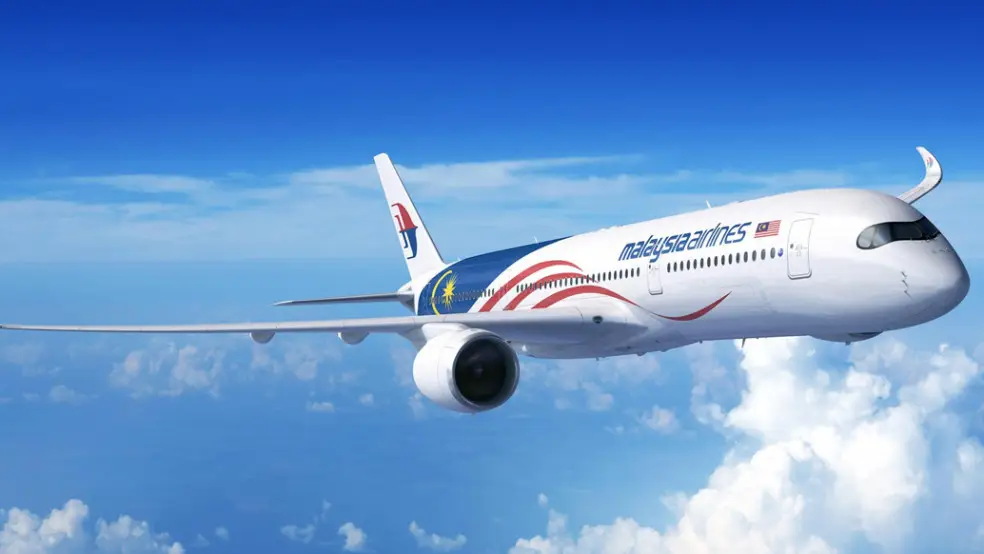
As competition intensifies across Asia’s aviation landscape, Malaysia Airlines appears to be betting on something deeper than network expansion alone — experience, emotional connection, and strategic relevance to the modern Indian traveller.
From tier-2 India and premium leisure travellers to SMEs and long-haul corporate demand, the airline is carefully aligning its India strategy with the country’s evolving outbound travel aspirations. More importantly, Kuala Lumpur is no longer being positioned merely as a stopover city, but as an integrated gateway experience backed by connectivity, comfort, and cultural warmth.
For the Indian travel trade, the airline’s growing focus on partnerships, premium offerings, and multi-city accessibility signals larger opportunities ahead — particularly as Indian travellers increasingly seek seamless journeys that combine value with experience. And if current demand trends are anything to go by, India’s role in Malaysia Airlines’ global growth story is only set to become stronger.