
April 9, 2026 | By Anita Jain Shah
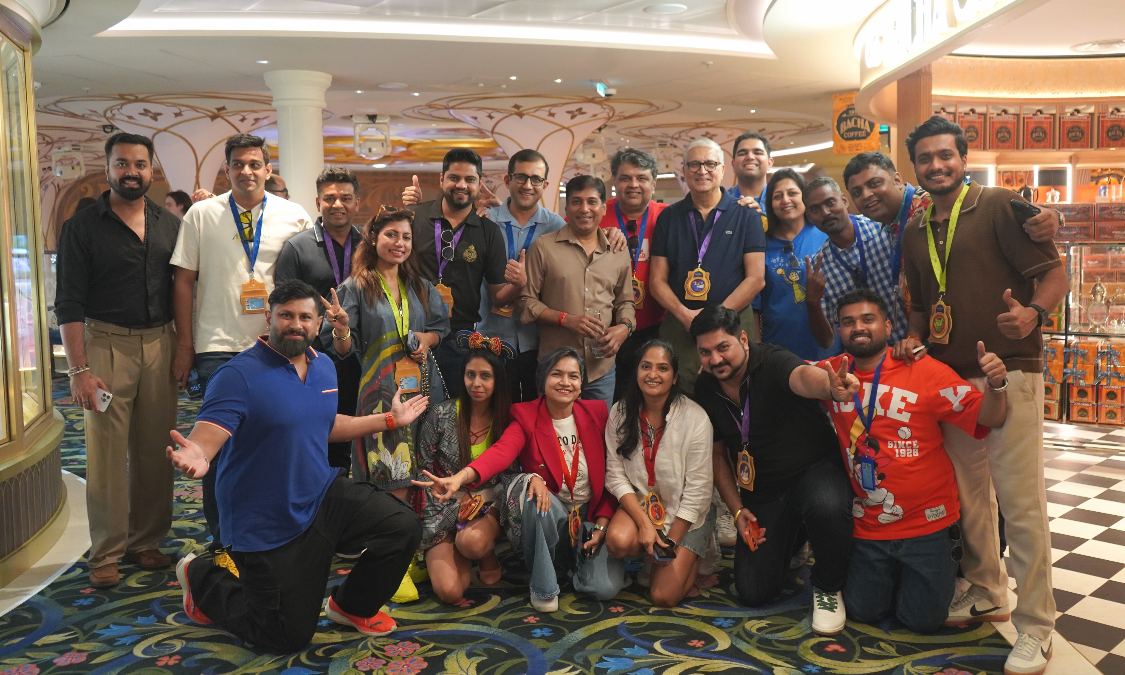
There is a certain moment on every cruise—usually sometime between embarkation and your first meal—when you instinctively know what kind of journey you’re in for. Onboard Genting Dream, that moment arrived early, and rather quietly. It wasn’t in the scale of the ship or the sweep of the ocean views, but in something far more telling: a sense of ease.
Sailing out of Singapore is, in itself, a reassuring start. The city’s efficiency spills seamlessly into the cruise terminal, where processes are smooth, queues are manageable, and the transition from land to sea feels almost effortless. But what truly stands out is how quickly the ship begins to feel familiar. For many Indian travellers—whether first-time cruisers or seasoned holidaymakers—there is often a subtle learning curve when stepping onto an international cruise liner. Genting Dream softens that curve. The signage is intuitive, the crew effortlessly multilingual, and the atmosphere carries a quiet understanding of its predominantly Asian clientele.
A Dining Experience That Feels Like Home
Food, as any Indian traveller will attest, is rarely just a detail—it is central to the experience. It is also where many cruises falter, often offering limited options or treating Indian cuisine as an afterthought. Genting Dream approaches this differently.
The dining landscape onboard is expansive yet thoughtful, weaving together Asian, international, and Indian flavours in a way that feels inclusive rather than performative. Vegetarian and Jain options are not hidden requests but visible, accessible choices. There is a certain comfort in knowing that your meals will not require negotiation or compromise, especially over multiple days at sea. While it may not aim for culinary theatrics, the consistency and familiarity it offers become its quiet strength.
Luxury Without Intimidation
As the ship finds its rhythm, so too do its spaces. Genting Dream occupies an interesting middle ground in the world of cruising—neither aggressively luxurious nor overtly mass-market.
This balance becomes most apparent in spaces like The Palace, an exclusive enclave that offers privacy, personalised service, and a sense of retreat within the larger ship. Yet, beyond this premium layer, the broader experience remains accessible and unpretentious. It is a ship that does not alienate with excess, nor does it dilute its offering in the pursuit of scale.
Entertainment That Connects, Not Just Performs
Entertainment, often the heartbeat of any cruise, carries a measured tone here. Rather than relying solely on spectacle, the programming leans into energy and relatability.
Live performances, music, and deck-side experiences are designed to engage a diverse audience, striking a balance between vibrancy and approachability. There is an ease to it—you find yourself drawn in, lingering longer than planned, not out of obligation but genuine enjoyment.
Designed for Families, Without Compromise
For families, particularly those travelling across generations, the ship reveals another layer of its appeal. It is one thing to cater to children and quite another to ensure that adults, too, feel equally considered.
On Genting Dream, this equilibrium feels deliberate. Younger travellers find their share of excitement, while older guests can retreat into quieter corners or leisurely pursuits. It is this ability to accommodate different travel rhythms simultaneously that makes the ship especially relevant for Indian family holidays, where travel is often a shared, multi-generational experience.
Short Itineraries That Fit Real Lives
The itineraries themselves further reinforce this sense of practicality. Short sailings across Southeast Asia—touching destinations in Malaysia and Thailand—are well aligned with the time constraints of modern travellers.
Not every holiday allows for an extended voyage, and Genting Dream acknowledges this reality. These shorter journeys offer just enough contrast and discovery without becoming logistically demanding, making them particularly appealing for those seeking a quick international escape.
Cabins That Prioritise Comfort Over Drama
Accommodation onboard follows the same philosophy of thoughtful design over indulgent excess. Cabins, whether inside or balcony, prioritise functionality and comfort.
Space is used efficiently, layouts are intuitive, and the overall experience feels liveable rather than merely photogenic. It is a detail that becomes increasingly important as the days pass, shaping how restful and seamless the journey feels.
The Crowd Question—And the Honest Answer
No cruise is without its imperfections, and Genting Dream is no exception. During peak sailings, the ship can feel busy, particularly in shared spaces.
Yet, even at its fullest, it rarely tips into chaos. There are always quieter pockets to be found, moments of calm tucked between the energy of the crowd. It is a reminder that popularity often comes with its own set of compromises.
A Cruise That Understands Its Audience
And perhaps that is where Genting Dream finds its true identity—not in perfection, but in understanding. It does not attempt to dazzle at every turn, nor does it rely on extremes to define its appeal.
Instead, it focuses on removing the small frictions that can shape a travel experience: the uncertainty around food, the unfamiliarity of space, the hesitation of stepping into something new. By the time the journey draws to a close, what lingers is not a single standout moment, but an overarching sense of comfort and coherence.
Would I sail again? Without hesitation. Not for novelty, but for reliability.
In a landscape where travel often oscillates between excess and compromise, Genting Dream offers something refreshingly balanced—a cruise that understands you, often before you realise it yourself.