March 15, 2026 | By Anita Shah
On the last day of my Western Australia trip, I decided to do something I rarely plan for in advance — simply walk around the city and breathe a little more of Perth in before flying out. No agenda, no “must-see” list. Just time to wander through the CBD.
Somewhere between cafés, office towers and delivery lanes, I turned into a narrow alley and realised I had stepped into a completely different version of the city.
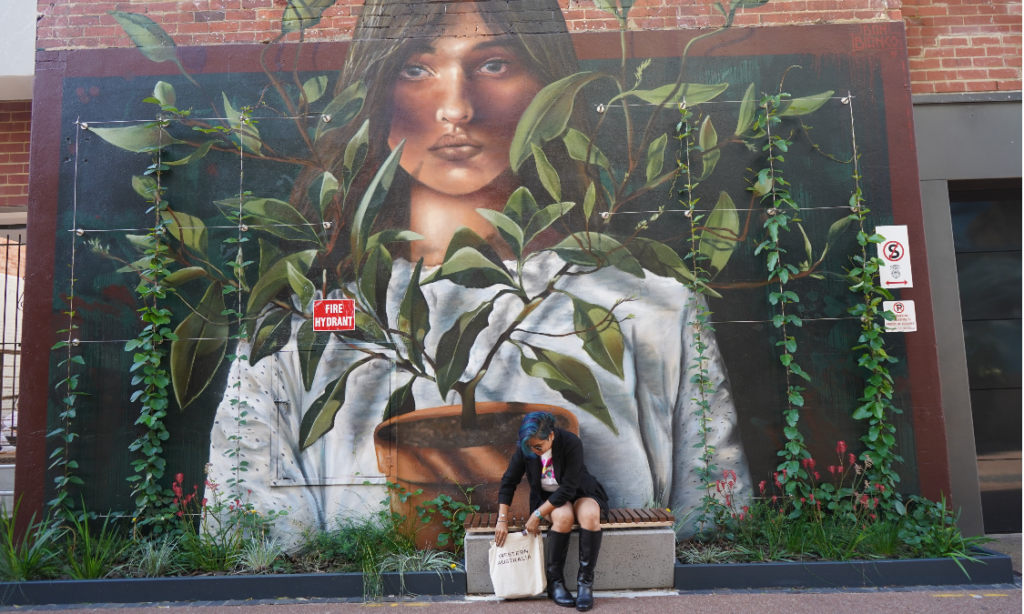
That alley was Wolf Lane, and it quickly became clear that Perth’s street art scene is not accidental decoration. It is deliberate, commissioned, evolving — and far more substantial than many travel professionals might assume when designing itineraries for the city.
For travel experts who already know Perth as the gateway to Western Australia’s dramatic landscapes, the street-level art scene offers something different: an urban narrative that sits quietly alongside the city’s better-known natural attractions.
Looking Beyond the Classic Perth Narrative
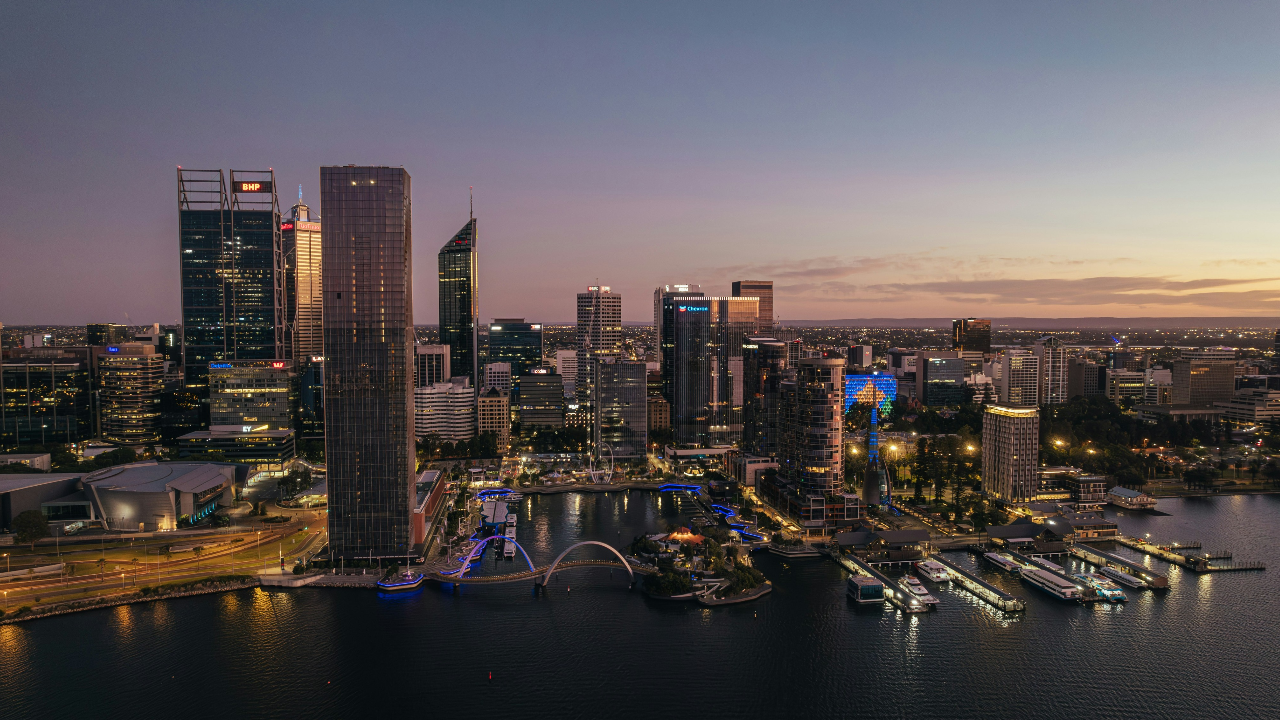
Most travel professionals instinctively position Perth around the elements that make it globally recognisable: panoramic views from Kings Park and Botanic Garden, the relaxed waterfront atmosphere of Elizabeth Quay, and the Swan River stretching through the city.
These experiences remain central to Perth’s tourism identity — and rightly so. But walking through the city’s laneways reveals another layer that doesn’t always make it into travel programs.
Street art.
Not the stereotypical graffiti that appears overnight and disappears just as quickly. Much of Perth’s urban art is commissioned, curated and supported by city revitalisation initiatives designed to bring life to overlooked spaces.
That distinction matters.
It means the artworks are not simply visual decoration. Many pieces carry cultural narratives referencing Indigenous heritage, migration stories, environmental themes and native wildlife — themes that reflect Western Australia’s broader identity.
For travel experts designing itineraries, this urban art layer provides context for a city that can otherwise feel defined primarily by space and scenery.
The Laneways That Tell the Story
The first place where this becomes apparent is Wolf Lane, one of the most recognised street art corridors in Perth’s CBD.
At first glance, it looks like what many city laneways look like: delivery entrances, café back doors and bins waiting for collection. But as you look up, large-scale murals fill entire walls — colourful portraits, abstract pieces and wildlife imagery layered across building façades.
Many works here have been created by both local and international artists, turning the lane into an evolving open-air gallery.
Not far away, another pocket of the city continues that visual conversation at Grand Lane, where refreshed murals and contemporary pieces bring colour and personality to what would otherwise be overlooked urban spaces.
For visitors, the experience feels spontaneous — as though art simply appears around the corner. But the reality is more structured. The City of Perth has actively supported public art programs, resulting in more than a hundred artworks across the CBD and surrounding neighbourhoods. For travel planners, this means the art scene is not limited to a single street. It is dispersed across several precincts, creating opportunities for self-guided exploration or guided urban walks.
Street Art Meets Civic Space
While the laneways provide the most concentrated street art experience, Perth’s creative expression does not stop there. Public installations and sculptures extend the artistic presence into open civic spaces, particularly around Elizabeth Quay and Yagan Square. These areas showcase large-scale artworks integrated directly into the urban landscape — installations designed not just to be viewed but to become part of everyday city life.
Visitors walking along the waterfront or gathering in the public plaza may not always recognise these works as part of a broader public art movement, but they contribute to the same narrative: Perth’s attempt to make culture visible in its urban environment.
For travel experts, these installations create natural link points between different city experiences. A walk from Elizabeth Quay through the CBD toward Yagan Square, for instance, becomes more than a transit route. It becomes an informal public art trail.
Why Street Art Matters in a Perth Itinerary
For many years, Perth’s biggest selling points have been its natural surroundings — beaches, wine regions, and vast landscapes that define Western Australia.
Those strengths are unlikely to change.
But as travel trends shift toward deeper cultural exploration and slower urban discovery, cities increasingly need multiple narratives to remain compelling for repeat visitors.
Street art and public installations help provide that additional narrative.
They do not replace Perth’s landscape appeal, but they add urban texture — the sense that the city is evolving culturally as well as geographically.
From a travel design perspective, this layer can be particularly useful in three scenarios:
– Arrival Day Exploration
Many international travellers arrive in Perth after long flights. A relaxed urban walk through the CBD’s art precincts offers a gentle way to experience the city without extensive transfers.
– Short City Stays
For itineraries with limited time in Perth before heading to Western Australia’s regional destinations, a street art walk can introduce cultural context quickly.
– Second-Time Visitors
Travellers returning to Australia often seek experiences that feel more local and less obvious. Urban art trails help provide that perspective.
Walking the City Versus Cycling It
My first introduction to Perth’s street art scene came through a guided walking tour through the CBD.
At a relaxed pace, the experience took around two to three hours. The advantage of walking is simple: it encourages observation. Murals reveal details slowly — the layering of colours, small symbolic references, or visual jokes that might otherwise be missed. Later that same evening, I revisited parts of the area through a sunset pedal bike tour.
The difference in perspective was noticeable. Cycling changes the rhythm of the experience. Instead of stopping at every mural, you move between neighbourhood pockets, covering more ground and seeing how the artworks relate to the broader city layout. Both formats have value.
For travel planners, walking tours tend to appeal to visitors interested in art and culture, while bike tours often resonate more with younger travellers or small groups looking for active experiences.
How Much Time Should Be Allocated for Perth Street Art Tour?
In the case of Perth’s street art and public installations, the answer is refreshingly straightforward.
A two-to-three-hour window is generally sufficient to explore the central laneway clusters and connect them with nearby civic installations. Because most artworks sit within the CBD, the experience does not require additional transport or complex logistics. That makes it easy to integrate into existing city tours or free-time segments within an itinerary.
For longer programs, art exploration can also extend into nearby districts such as Northbridge, where additional murals and creative spaces contribute to the broader urban culture.
The Value of Urban Texture
Cities often become known for a handful of defining images.
In Perth’s case, those images usually involve expansive views: the skyline from Kings Park, the Swan River curving through the city, or sunsets over the Indian Ocean. Those images remain powerful. But after spending time in the laneways, it became clear that Perth’s walls are contributing their own narrative — one that speaks less about geography and more about identity.
Murals referencing native animals, cultural heritage and contemporary social issues suggest a city exploring how it presents itself visually. Public installations around civic spaces reinforce that effort by making art part of the everyday urban experience. For travel professionals, recognising this layer does not mean rewriting the Perth story. It simply means acknowledging that the city has more than one.
A Niche Itinerary Possibility
Could street art become a dedicated niche itinerary within Perth?
Possibly — particularly for small groups or themed cultural tours. Cities around the world have successfully built urban art trails into tourism experiences, and Perth already possesses the ingredients: concentrated mural districts, public installations and walkable distances. For most travel programs, however, the art scene may function best as a complementary layer rather than a standalone attraction.
Think of it as an urban interlude between larger Western Australia experiences. A morning street art walk before an afternoon Swan River cruise. A laneway exploration after lunch in the CBD. A pedal bike tour at sunset before dinner in Northbridge. In each case, the art adds context without demanding significant itinerary changes.
The Perth That Appears When You Slow Down
By the time I left Perth that evening, one thing had become clear. The city does not advertise its street art loudly. There are no giant billboards announcing an urban art district or major murals visible from every corner.
Instead, the artworks appear gradually — in laneways, beside cafés, along pedestrian routes between major landmarks. You find them by slowing down.
For travel experts who have long presented Perth through its landscapes and panoramic viewpoints, this quieter layer may offer a fresh way to interpret the city. Perth may still be defined by space and scenery. But its walls are telling stories too — and those stories are worth noticing.